
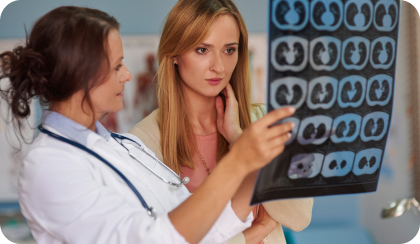
One breakthrough that really stands out as a true game changer in emergency medicine is the integration of advanced radiological techniques. In life-threatening situations where every second counts, rapid and accurate diagnosis through imaging can mean the difference between life and death.
Radiology in emergency medicine refers to the use of radiological diagnostic techniques to determine and guide treatments for acute and life-threatening conditions. Under emergency conditions, radiological examinations are adapted to provide rapid results for timely interventions. Generally, conditions like trauma, sudden neurological deficits, chest pain, fractures, internal bleeding, strokes, organ injuries, pneumothorax, and acute abdominal pathologies are observed during emergencies. Using correct and targeted radiological techniques, physicians can accurately determine the cause of the condition and implement necessary clinical actions.
Common imaging modalities used during emergency conditions are:
X-ray radiography is one of the most preferred first-line imaging methods used for emergency cases. X-ray radiography is the most commonly used radiological examination method as it is rapid, simple, and readily available. In the emergency department, X-ray is typically used to detect fractures, dislocations, chest emergencies, bowel obstruction, and foreign bodies.
Common Emergency Uses:
Similar to X-ray radiography, CT imaging utilizes ionizing radiation to visualize the internal structures of the body. It consists of capturing 2D images from multiple planes to create a complex 3D image using a computerized system. It provides accurate results of the conditions in a rapid manner. In emergency cases, a CT scan is used to diagnose head injuries, internal bleeding, organ damage, spinal injuries, acute stroke, pulmonary embolism, abdominal emergencies, and vascular injuries.
Common Emergency Uses:
Ultrasound utilizes high-frequency sonic waves to assess the anatomy. As the sound waves interact with different tissues, they reflect back a unique frequency of waves, which helps differentiate between different structures. It is preferred for the compromised populations due to its lack of radiation use. In emergency settings, ultrasound is particularly valuable for rapid bedside assessment.
Common Emergency Uses:
Radiology is a critical factor in the diagnostic and healthcare field. The importance of radiological examinations in emergency medicine is explained below:
The emergency radiology workflow is optimized for speed and accuracy:
The radiological imaging is performed at the healthcare centre by a radiology technician. Emergency protocols prioritize speed while maintaining diagnostic quality.
The images obtained are checked for quality and complete compliance with the imaging procedures. This step is accelerated for emergency cases.
These images are then sent to Statim Healthcare for further analysis. Secure, high-speed transfer ensures minimal delay.
At Statim, based on the urgency, the case will be placed under the priority category for rapid diagnosis. Emergency cases receive immediate attention.
A suitable radiology expert is assigned to the case based on the clinical requirements. Specialists in trauma, neurology, or abdominal imaging are matched to the case type.
The radiologist carefully reviews the images for any abnormalities and differentiates them from artifacts to accurately determine the etiology of the condition.
Based on the image findings and the patient's clinical data, the radiologist puts forth a diagnosis. Critical findings are communicated immediately.
After the analysis is complete, the radiologist then prepares a preliminary report to rapidly communicate the results. This enables immediate clinical action.
A finalized report is then sent later after the necessary information is communicated. This includes detailed findings, differential diagnosis, and recommendations.
In emergency radiology, the standard turnaround time for preliminary reports is often less than 30 minutes for critical cases, with immediate phone calls for life-threatening findings such as intracranial hemorrhage, aortic dissection, or pneumothorax.